Turning Storm Damage Into Opportunity: RecycleForce Recycles Tens of Thousands of Solar Panels
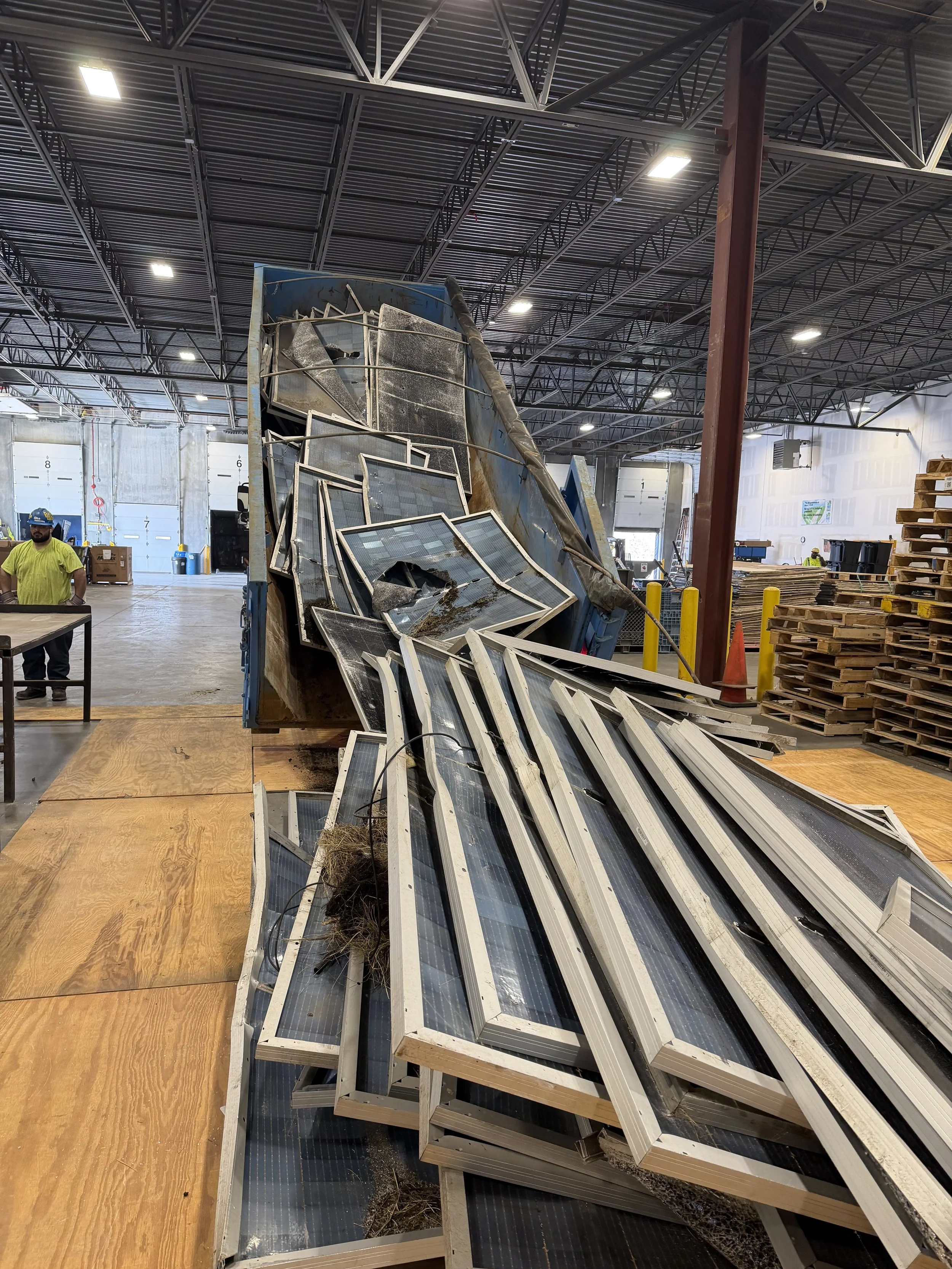
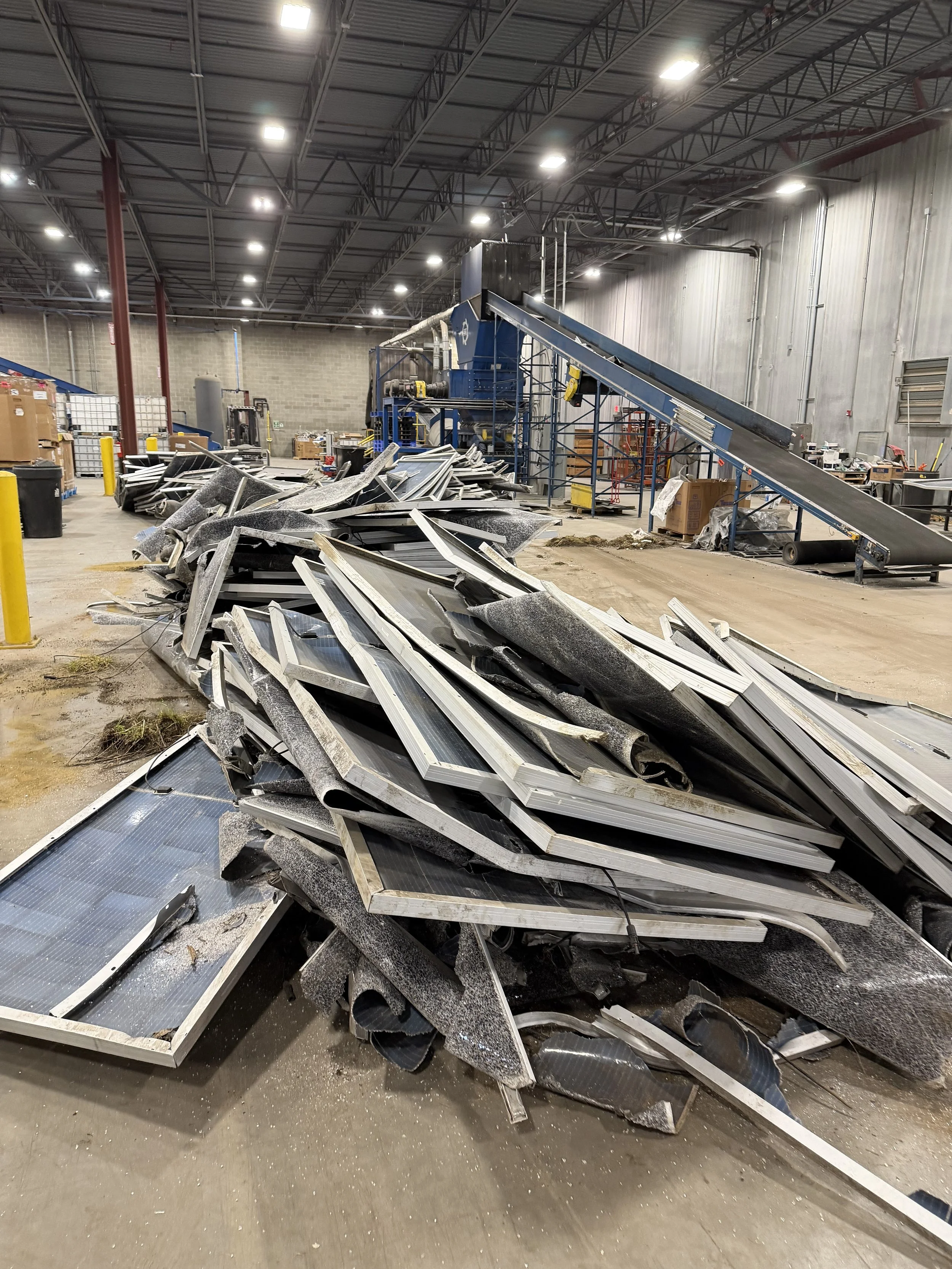
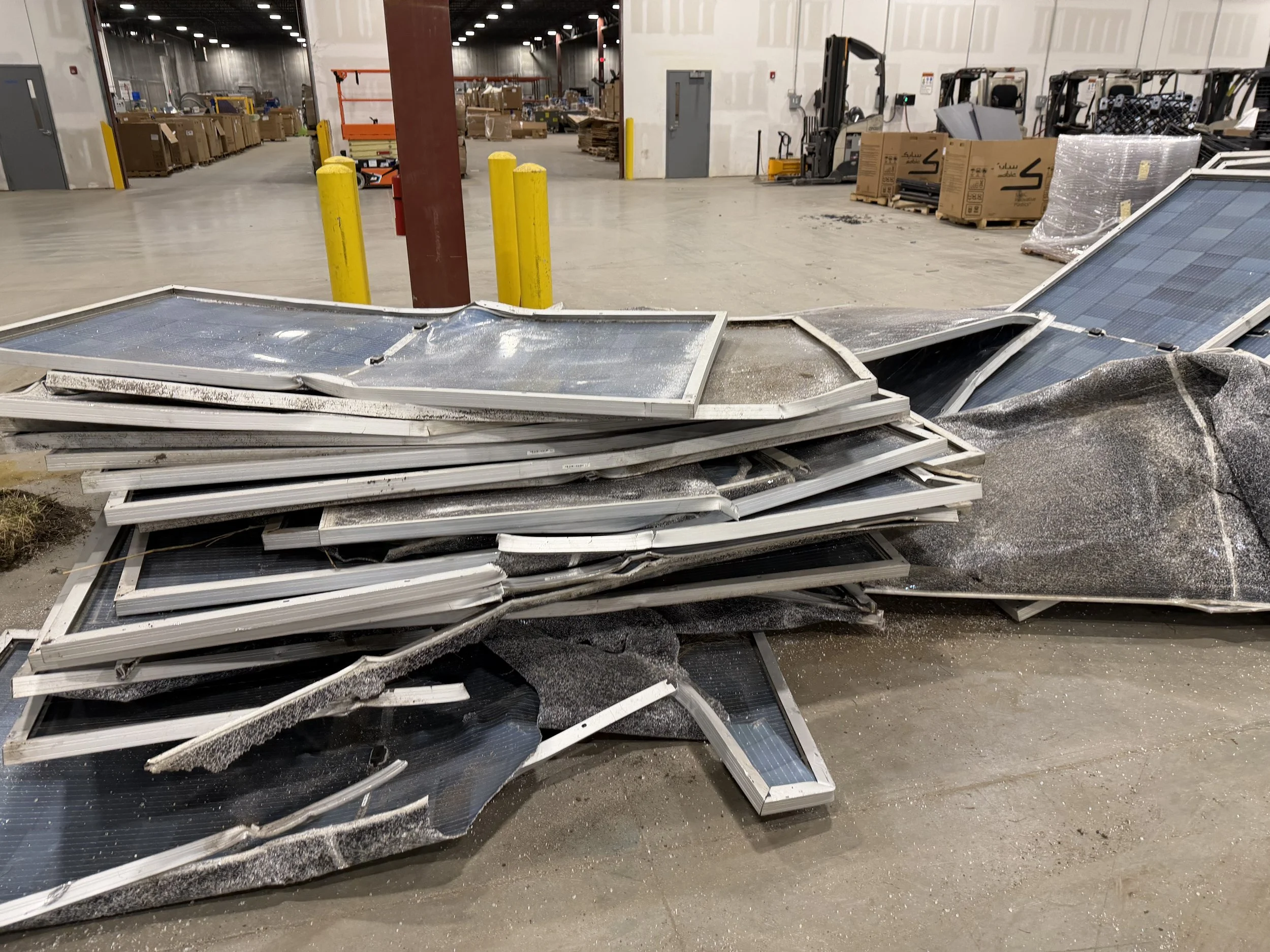
When a tornado tore through the Wheatfield, Indiana area in March 2026, it left behind widespread damage—including a massive amount of damaged solar equipment. In the five months since the storm, RecycleForce has stepped in to help address an often-overlooked part of disaster recovery: what happens to thousands of damaged solar panels after a renewable energy installation is destroyed. Tens of thousands of panels have made their way to RecycleForce for responsible recycling, keeping valuable materials out of landfills and putting them back into the manufacturing supply chain.
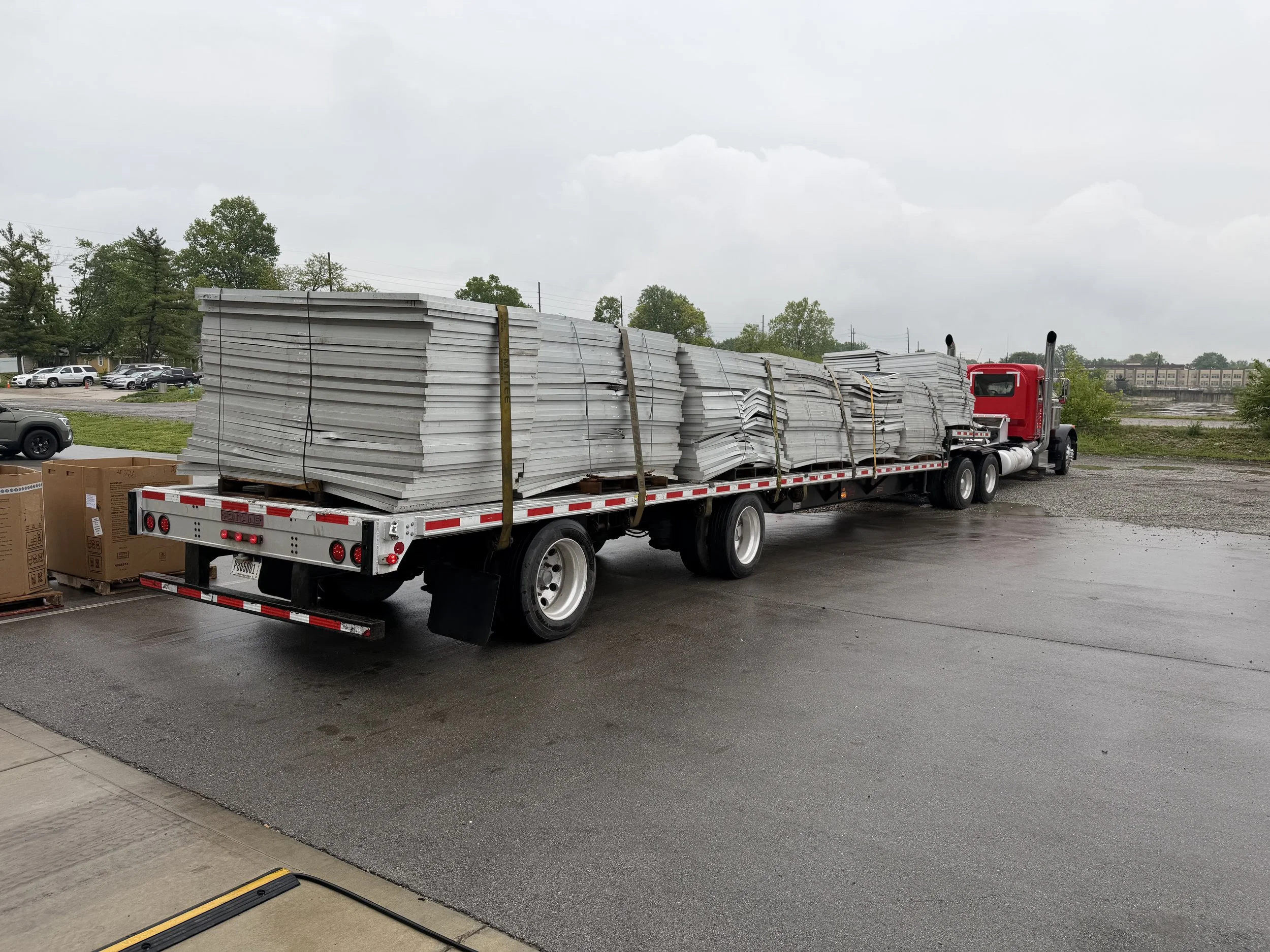
The scale of the project has provided RecycleForce with an important opportunity to demonstrate that solar energy can have a responsible end-of-life solution. Solar panels contain recoverable materials including aluminum, copper, glass and other components. Rather than treating storm-damaged panels as waste, RecycleForce works to recover these materials and move them back into productive use. The Wheatfield recovery effort is a real-world example of the importance of building recycling infrastructure alongside the rapid growth of renewable energy. RecycleForce has already established its solar-panel recycling capabilities and sees this work as an important part of creating a more complete circular economy for clean energy.
But the impact goes beyond recycling. At RecycleForce, environmental stewardship and workforce development go hand in hand. The organization is a social enterprise that provides paid transitional employment and job training to people returning to the workforce, including individuals facing significant barriers to employment. The Wheatfield project has allowed that mission to come together on a large scale—giving workers the opportunity to gain experience handling a rapidly growing waste stream while helping communities recover from a devastating natural disaster. In the aftermath of the tornado, RecycleForce is proving that recovery can mean more than cleaning up debris: it can mean recovering resources, creating jobs and building a more sustainable future.